
Published: Feb 2026 | Reading Time: 5 mins | Tags: Jewelry History, Metal Jewelry Evolution, Stainless Steel Origin
When we talk about everyday wearable jewelry today, sterling silver, gold and stainless steel top every shopper’s list. But unlike precious metals with thousands of years of jewelry history, stainless steel is a modern jewelry icon born from industrial innovation, and its journey from factory material to mainstream fashion staple is uniquely fascinating.
The Early Stage: Military & Industrial Use (1910s – 1950s)
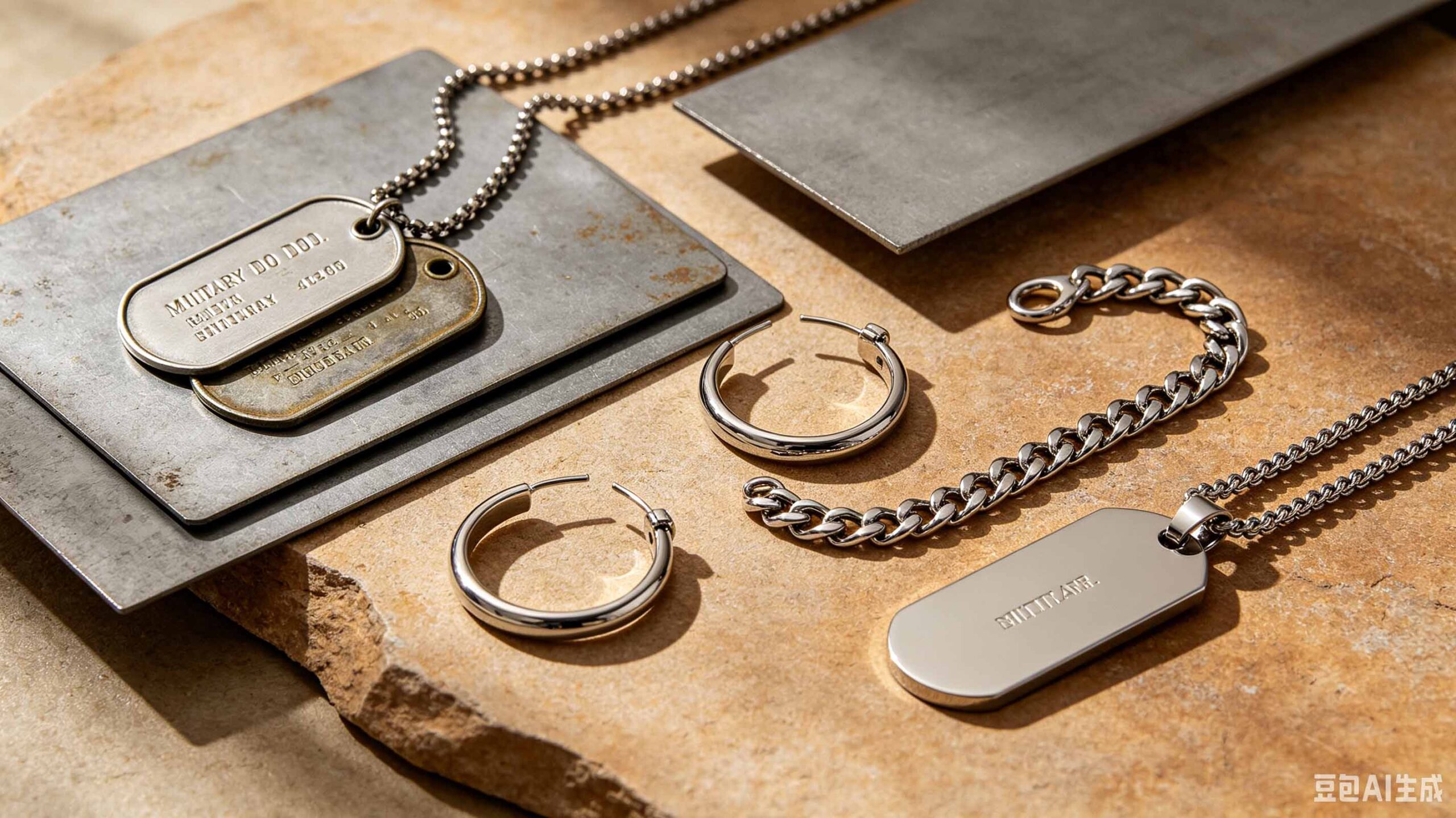
Stainless steel was officially invented in 1913 as a corrosion-resistant alloy for industrial machinery and weapon parts. It entered accessory-related fields during World War II, widely made into military dog tags for allied soldiers across Europe and North America. Thanks to its rust-proof, sweat-resistant and ultra-durable features, it survived harsh battlefield environments, ocean humidity and daily abrasion, which first proved its potential for body-worn accessories. During this era, stainless steel was never seen as fashion material — it was purely functional, rough, and excluded from high-jewelry circles dominated by gold and silver.
Subculture Breakthrough (1960s – 1990s)
The 1960s industrial aesthetic revolution changed everything. European avant-garde designers started testing stainless steel for minimalist architectural-style jewelry, breaking the soft, delicate rules of vintage gold jewelry. The 1970s and 1980s became the turning point for its popularity: punk, goth and heavy-metal subcultures in the UK, Germany and the United States embraced stainless steel massively. Bold spikes, thick curb chains, hoop piercings and skull pendants made of stainless steel became subculture symbols. Affordable, sturdy and edgy, it was perfect for youth who rejected traditional luxury aesthetics.
Mainstream Fashion Popularization (2000s – 2015)
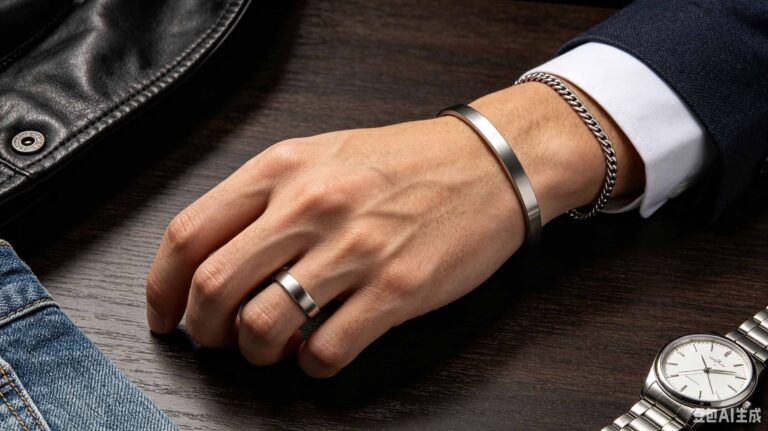
Fast fashion boom pushed stainless steel into civilian wardrobes. Mid-range fashion brands replaced pure silver with polished stainless steel to cut costs while keeping metallic luster. Celebrities wore stainless steel layered necklaces, stackable rings and unisex bracelets on red carpets, eliminating the stereotype that stainless steel is “cheap alternative metal”. Meanwhile, 316L medical-grade stainless steel was standardized for body piercing jewelry, becoming the top safe material for ear, nose and belly piercings across Western countries.
Modern Permanent Luxury Era (2016 – Present)
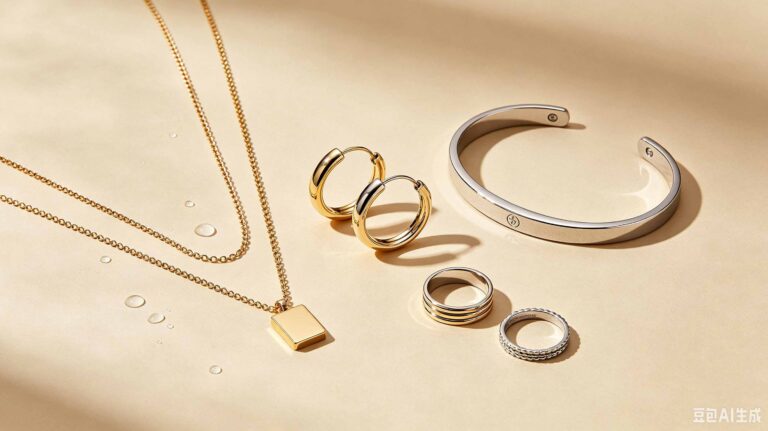
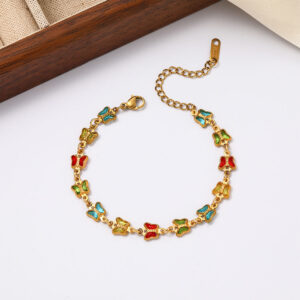
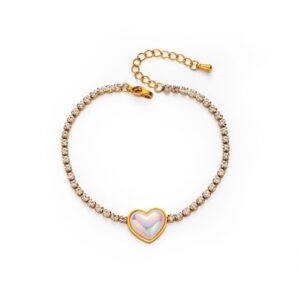
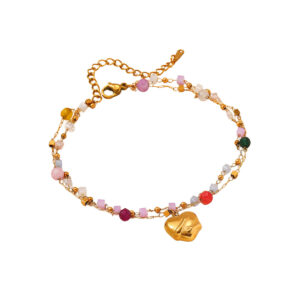
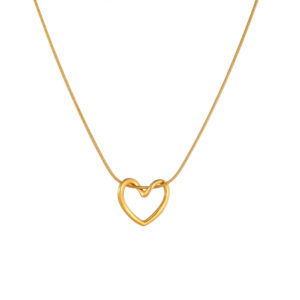
Post-2020, Western consumers shifted to sustainable, long-wearing, low-maintenance jewelry. Fast disposable costume jewelry fell out of favor, while 316L stainless steel defined “affordable permanent luxury”. Brands upgraded craftsmanship with PVD vacuum plating, creating gold, rose gold, matte black and gunmetal stainless steel pieces that look identical to fine precious metal jewelry. Today, it covers minimalist daily wear, bridal auxiliary jewelry, unisex streetwear and custom engraved accessories, becoming the most inclusive jewelry material for all ages in Europe and North America.
Final Thought: Stainless steel is no longer a cheap silver substitute. It is a fashion evolution product shaped by industrial history, youth subculture and modern low-maintenance lifestyle. For modern European and American wearers, it is a timeless, inclusive jewelry material destined to dominate casual and luxury daily styling for decades ahead.



Exeid fuga aspernatur est dolores. Reprehenderit dolor non tenetur aut. Et facilis alias nihil nostrum et Exercitationem perspiciatis qui sit Consequatur vel ut placeat esse aut. Error voluptatum quam dolore harum. Qui aliquid perferendis aut recusandae iusto.
Quisquam aliquam voluptatibus illum expedita tenetur Enim rerum tempora ut id Ab sint ratione et nostrum Ut quo voluptatem et accusamus quidem unde Eum illum illum id occaecati.Dolores esse ratione voluptas sunt Nobis amet nostrum ducimus corporis Quia non suscipit et Et provident vero harum et. Quae aut saepe eos vel in Non quibusdam Voluptas fuga dolores totam.